Office Relocation Services in Kensington
Moving an office is never just about boxes and a van. It is about keeping business running, protecting equipment, coordinating teams, and making sure the move fits the realities of working in a busy, built-up part of London. That is exactly why Office Relocation Services in Kensington need a local, organised, and adaptable approach. Whether you are moving a small creative studio, a professional practice, a shared workspace, or a larger corporate office, the process needs careful planning from start to finish.
Kensington brings its own set of moving challenges and opportunities. Many offices are set in period buildings, mixed-use premises, converted townhouses, managed office spaces, and commercial properties close to busy roads and public transport links. Access can be tight, lifts may be limited, parking can be restricted, and timing often has to work around neighbours, building management, and business hours. A team that understands these local conditions can make the difference between a smooth transition and a stressful disruption.
This page is designed for local businesses and decision-makers looking for practical office moving support in Kensington. If you need help relocating desks, IT equipment, archives, filing cabinets, furniture, or specialist items, you will find clear information here about what the service includes, how it works, what affects the cost, and how to prepare. If you are ready to plan a move, request a free quote or book your service now to get the process moving with confidence.
Professional Office Moving Support for Kensington Businesses

Every office move is different, but most local customers want the same things: minimal downtime, safe handling, reliable timing, and a team that understands the building and the business. In Kensington, those expectations matter even more because office space often sits alongside residential properties, hospitality venues, clinics, and retail premises. A move may need to be planned around narrow access routes, controlled loading bays, or building rules that limit when removal work can take place.
Office relocation services are built to handle these details in a structured way. Rather than treating the job as a simple transport task, a good office mover will look at the layout of the current office, the destination, the volume of items, and the best method for packing, dismantling, moving, and reassembling. That might include working floor by floor, organising move labels, protecting IT assets, and creating a phased plan so your staff can stay productive for as long as possible.
Local knowledge matters. If your office is near High Street Kensington, South Kensington, Notting Hill Gate, Earls Court, or the Kensington Olympia area, a locally familiar team will already understand the kinds of access issues that can arise. That can help with timing, vehicle planning, and the practical side of loading and unloading in busy streets.
What Is Included in Office Relocation Services?

Most businesses want a service that covers more than just transporting furniture from one building to another. Office relocation services usually combine planning, packing, dismantling, transportation, delivery, reassembly, and placement in the new space. The exact package depends on the size of your company and the complexity of the move, but the aim is always to reduce disruption and keep the move controlled.
Typical services may include:
- Pre-move planning and a review of access, timing, and item lists
- Packing assistance for office contents, documents, and fragile items
- Furniture dismantling and reassembly where needed
- IT and equipment handling with careful labelling and protection
- Secure transport for office furniture, stock, files, and fixtures
- Placement in the new office according to your floor plan or instructions
- Clear communication so your team knows what is happening and when
Some businesses also need help with archive moves, confidential document transfers, or the removal of unwanted furniture and redundant items. If you are consolidating offices, downsizing, or moving from a traditional suite into a more flexible workspace, the right service can be tailored to suit the change.
Why Kensington Offices Need a Local Approach
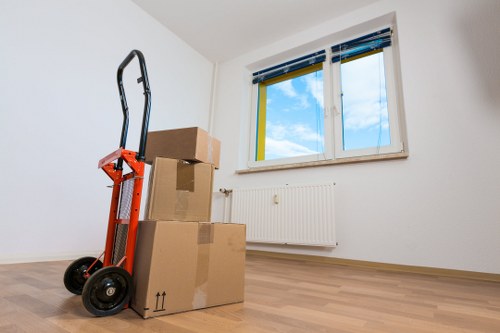
Kensington is a distinctive area with a mix of office types and building styles. You may be working from a Georgian terrace converted into professional rooms, a modern serviced office, a building with shared entrances, or a commercial unit with limited street access. Because of that variety, a one-size-fits-all move rarely works well. A local service can adapt to the realities of the area, including building rules, loading restrictions, and the need for efficient time windows.
Another reason local experience helps is the neighbourhood layout. Kensington sits close to several busy districts and major routes, so traffic patterns, delivery times, and parking availability can all affect a move. A good moving team will consider whether the job is best done early in the morning, over a weekend, or in phases to reduce inconvenience for staff and visitors. In many cases, the best move plan is the one that aligns with your actual working day rather than forcing your business to stop completely.
For many local customers, discretion and professionalism matter too. Offices often share entrances, lifts, corridors, and common areas with other occupiers, so the moving team needs to work neatly and respectfully. That is especially important in managed buildings and properties where coordination with building management is required. A calm, organised move is usually the best move.
Who Uses Office Relocation Services in Kensington?
Kensington is home to a broad mix of businesses, and office relocation services need to suit each one. Small firms often want a straightforward, well-managed move that keeps their overheads sensible while protecting time and equipment. Larger organisations may need phased relocation planning, more labour, and specialist handling for files or technology. In every case, the service should reflect the way the business operates.
Common customers include:
- Professional practices such as legal, accountancy, and consultancy offices
- Creative and design studios
- Healthcare, therapy, and specialist service offices
- Start-ups and growing businesses moving into larger premises
- Companies consolidating multiple workspaces into one location
- Businesses relocating between serviced offices or coworking spaces
- Firms fitting out new premises in and around Kensington
Many of these moves involve sensitive files, expensive devices, presentation equipment, furniture, or client-facing spaces that must be re-established quickly. That is why an experienced mover will think beyond transport and focus on how your business will function on the first day in the new office. The goal is to help you resume work as soon as possible, not simply deliver items and leave.
How the Office Relocation Process Works

A successful office move normally starts with a clear assessment. This may involve looking at the current office layout, checking what needs to move, identifying access points, and understanding any constraints at both sites. In Kensington, where premises can vary widely, this step is especially important because the logistics may change from one building to the next.
Once the move is assessed, a plan is usually created to break the relocation into manageable stages. That plan may include packing deadlines, furniture labelling, lift booking, vehicle access, and the order in which rooms or departments should be moved. For a smaller office, the move may happen in one day. For a larger or more complex business, it may be better to stagger the relocation over a couple of days or work outside normal office hours.
On moving day, the team typically arrives with the right materials and equipment for the job. Items are packed or protected, desks are dismantled if needed, and loads are organised so delivery at the new site is efficient and controlled. At the destination, items are placed according to your instructions, reassembled where agreed, and checked as they are set out. Good communication at each stage is essential.
Typical stages of an office move
- Initial enquiry and move assessment
- Planning for access, timing, and staffing
- Labelling, packing, and preparation
- Dismantling and safe loading
- Transport to the new premises
- Unloading, reassembly, and placement
- Final checks and handover of the new office space
Preparation Checklist for Kensington Office Moves

Good preparation makes a huge difference to the success of any move. Even when you have professional office relocation services in Kensington arranged, your internal planning helps ensure the process runs smoothly. The most efficient moves are usually the ones where the business has already separated items by category, assigned responsibility, and communicated clearly with staff.
Use this practical checklist to prepare:
- Confirm your move date and any building access arrangements
- Tell staff what they need to pack and by when
- Label desks, boxes, equipment, and departments clearly
- Back up important digital files before the move
- Set aside confidential paperwork for secure handling
- Arrange for keys, fobs, passes, or building permissions at the new site
- Identify items that will not be moving so they are removed early
- Check whether parking, loading, or lift booking is required
- Prepare a simple floor plan for the new office if possible
- Notify suppliers, building managers, and relevant contacts about the move
It also helps to appoint one or two internal move coordinators who can answer questions on the day. This prevents confusion and keeps decisions clear if something unexpected comes up. If your office has sensitive areas, such as file rooms, reception spaces, or server equipment, assign responsibility for those areas in advance.
What Affects the Cost of an Office Relocation?
Customers often want to know what will affect the final price of an office move. While exact pricing depends on the specific job, there are several common factors that influence the quote. Understanding these helps you compare services more confidently and plan your budget more realistically.
Typical pricing factors include:
- Size of the office and number of items to move
- Distance between the existing and new premises
- Access conditions such as stairs, lifts, loading bays, and parking
- Packing requirements and whether materials are supplied
- Furniture dismantling and reassembly
- Specialist items such as IT equipment, archive boxes, or fragile items
- Timing, including out-of-hours or weekend moves
- Waste removal or disposal of unwanted office furniture
It is often worth asking for a tailored quote rather than comparing only headline figures. A lower price may not include the level of planning or handling your office actually needs. A more suitable service can save time, reduce stress, and help your team return to work faster. For many businesses, that practical value matters more than simply choosing the cheapest option.
Why Choose a Local Company for Office Relocation in Kensington?
Choosing a local provider for office relocation services in Kensington offers several advantages. First, local teams are more likely to understand the area’s access patterns, road restrictions, and building layouts. That means they can plan more effectively and avoid delays caused by avoidable surprises. Second, they are usually better placed to respond quickly to time-sensitive moves or changes in schedule.
Local companies also tend to work with a wider range of nearby premises, including offices in and around South Kensington, Earls Court, Holland Park, Notting Hill, Paddington, Chelsea borders, and the wider Royal Borough area. That familiarity can be useful when you are moving between neighbourhoods with different access conditions or building rules. If your current office is on a busy road and your new one is tucked away on a side street, a local mover is more likely to anticipate the difference.
There is also the benefit of practical communication. A local team can often assess your moving requirements more efficiently, provide a more accurate plan, and coordinate around local building constraints without excessive back-and-forth. For busy businesses, that efficiency is valuable.
Commercial Moves, Small Offices, and Multi-Stage Relocations
Not every office move is a single clean swap from one building to another. Some businesses are scaling up and need to move in stages. Others are reducing space and only relocating selected departments. Some companies share premises or operate across several floors, which means the move has to be carefully sequenced to avoid confusion and disruption.
For smaller offices, a compact and well-organised service may be enough. That could include a simple packing and transport solution with a clear schedule and a modest team. For larger offices, the move may need more detailed planning, more labour, and coordination across multiple departments. The same is true if you are moving customer-facing areas, boardrooms, specialist rooms, or mixed storage areas alongside standard office furniture.
In Kensington, this flexibility is especially useful because premises can be highly varied. A business in a converted townhouse may need a very different approach from one in a purpose-built office block. The right service should adjust to the building rather than forcing the building to fit the move.
Examples of move types
- Full office relocation to a new Kensington premises
- Move from Kensington to another part of West London
- Internal office reconfiguration or floor-to-floor transfer
- Partial relocation of departments or teams
- Move into serviced offices or coworking space
- Consolidation of multiple offices into one site
Handling Furniture, IT, and Sensitive Items
One of the biggest concerns during an office move is the safe handling of valuable or sensitive equipment. Desks, chairs, meeting tables, storage units, monitors, printers, and server-related items all need the right level of care. If these items are packed poorly or moved without a plan, the impact on the business can be significant.
A professional office relocation team will typically use protective materials, careful labelling, and structured loading to help reduce risk. IT equipment in particular should be handled cautiously. Even when the hardware itself is not fragile in the everyday sense, cables, data connections, and workstation setups can become complicated fast. This is why many customers prefer a team that understands how to move office technology neatly and methodically rather than rushing through the task.
Confidential files and archives may also need special attention. If your office handles client records, legal papers, personal information, or internal documentation, secure handling is essential. A clear chain of responsibility, labelled boxes, and restricted access to sensitive materials can all help keep the move organised and controlled.
Good practices for sensitive items
- Use clear labels for all boxes and devices
- Keep related cables and accessories together
- Separate confidential files from general office items
- Back up digital information before the move
- Plan the order of reinstallation at the new site
Parking, Access, and Building Restrictions in Kensington
One of the biggest practical issues for any Kensington office move is access. Streets can be busy, bays may be restricted, and some premises have shared entrances or narrow loading areas. It is not unusual for office relocations in this part of London to need careful timing, especially where vehicles cannot wait for long periods or where building management has specific rules about delivery windows.
Parking should never be left as an afterthought. If there is limited kerb space or if a loading bay must be reserved, that needs to be discussed during planning. The same applies to lift access, stair-only buildings, and the movement of larger furniture through communal areas. A good mover will look at these details early and work out the most practical route in and out of the premises.
For offices close to busy commercial or residential streets, working around neighbours and other occupants is also important. Quiet, efficient handling is often preferred, especially in mixed-use buildings where businesses are expected to respect the wider property environment. A professional team will plan accordingly and keep disruption to a minimum.
Areas Covered Around Kensington
Office relocation services in Kensington often extend across the surrounding local area as well. Many businesses move between neighbouring districts, nearby commercial streets, and other West London office locations. That is useful if your company is changing size, upgrading space, or moving to a more suitable building.
Areas commonly covered may include:
- South Kensington
- High Street Kensington
- Earls Court
- Holland Park
- Notting Hill
- Chelsea border locations
- West Kensington
- Paddington and nearby office districts
- Olympia and surrounding commercial streets
If your move goes beyond these immediate areas, it can still often be arranged as part of a wider office relocation plan. The key is to discuss the route, timing, access, and the type of property at both ends so the work can be organised properly.
How to Choose the Right Office Relocation Service
When you are comparing office moving services, focus on how well the team understands office-specific requirements rather than just whether they can transport furniture. The best provider will ask the right questions, identify risks early, and help you shape the move around your business operations. In Kensington, that often means balancing professionalism with local practicality.
Look for a team that is willing to discuss your building access, working hours, equipment, and internal deadlines. They should be able to explain how they will handle packing, labelling, furniture, and placement in the new office. If your move involves delicate items or a deadline-driven handover, ask how they would plan around those pressures. Clear answers are a strong sign that the service is organised and responsive.
Trust is built through clarity. You should feel confident that your mover understands what is being moved, what matters most to your business, and what the building environment is likely to require.
Questions worth asking before you book
- How do you handle access issues in busy Kensington streets?
- Can you assist with dismantling and reassembly?
- Do you help with packing and labelling?
- How do you manage IT equipment and confidential documents?
- Can the move be scheduled outside normal business hours?
- What information do you need to provide an accurate quote?
Planning for Minimal Downtime
For most businesses, downtime is the real cost of a move. Every hour spent searching for equipment, rebuilding desks, or waiting on an inefficient delivery process can affect customer service and internal productivity. That is why office relocation should be planned with continuity in mind.
Some businesses choose to move on a Friday and be operational again by Monday. Others prefer a phased approach where one department moves at a time. The best method depends on how your office functions, how much equipment is involved, and how quickly you need to reopen. A local team experienced in Kensington office moves can help you choose the approach that fits your circumstances.
Small details can make a big difference: placing key items first, labelling by room or department, keeping essential equipment accessible, and making sure staff know where to find what they need. Those steps may sound simple, but they often determine how quickly a business settles into its new home.
Frequently Asked Questions
How far in advance should I book office relocation services in Kensington?
It is usually best to start planning as early as possible, especially if your move needs to fit around building restrictions, out-of-hours access, or a fixed handover date. Some smaller moves can be arranged relatively quickly, but more complex relocations benefit from advance planning.
Can you move offices in busy or restricted streets?
Yes, provided the access details are discussed in advance. Kensington has many areas where parking, loading, and timing need careful coordination. Sharing accurate information early helps the move run more smoothly.
Do I need to pack everything myself?
That depends on the service you choose. Some businesses prefer full packing support, while others handle internal packing themselves and only need help with transport, loading, and furniture handling. The service can usually be adapted to suit your team.
Can office relocation include furniture dismantling and reassembly?
Yes, this is often part of the service, especially for desks, modular furniture, and larger items that cannot be moved in one piece. It is helpful to confirm these details during the quote stage.
What happens to items we do not want to move?
Unwanted furniture or surplus office items can often be separated from the main relocation plan. Depending on your needs, arrangements may be made for removal or disposal, but this should be discussed in advance so it is included correctly.
Can you handle confidential files and IT equipment?
Yes, these items can usually be included with suitable care and planning. Confidential files should be clearly identified, and IT equipment should be prepared in a way that helps avoid damage or confusion when setting up the new office.
Ready to Move Your Office in Kensington?
If your business is planning a relocation, upgrade, consolidation, or internal office move, now is the time to start the conversation. A well-managed move can reduce pressure on your team, protect valuable assets, and help your business settle into the new space without unnecessary disruption.
Whether you are moving a compact office near High Street Kensington, a professional practice in South Kensington, or a larger workspace near the wider West London area, a tailored service can be arranged to suit your needs. Contact us today to discuss your requirements, request a free quote, and plan a move that works for your business.
Book your service now if you are ready to take the next step toward a smooth, organised office relocation in Kensington.