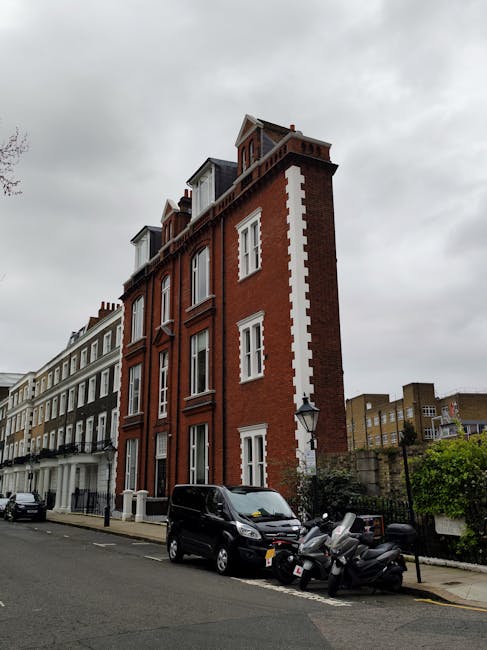
Kensington Church Street removal access tips for narrow homes: a practical guide for smoother moves
If you're moving on or near Kensington Church Street, you already know the setting can be charming and awkward in equal measure. Beautiful period properties, tight staircases, slim hallways, awkward corners, and limited outside space can turn a straightforward move into a bit of a puzzle. That is exactly why Kensington Church Street removal access tips for narrow homes matter so much. A well-planned move here is not about brute force; it is about timing, measurements, vehicle choice, and a calm bit of foresight. Truth be told, the difference between a smooth move and a stressful one is often decided before the van even arrives.
This guide walks you through the practical side of narrow-home removals in Kensington: how access works, what to check, how to prepare your home, and which mistakes tend to cause delays. You'll also find a useful checklist, a comparison table, and links to related local resources, including flat removals in Kensington, packing and boxes support, and insurance and safety guidance. Let's make this feel manageable, not messy.
Table of Contents
- Why Kensington Church Street removal access tips for narrow homes matters
- How Kensington Church Street removal access tips for narrow homes works
- Key benefits and practical advantages
- Who this is for and when it makes sense
- Step-by-step guidance
- Expert tips for better results
- Common mistakes to avoid
- Tools, resources and recommendations
- Law, compliance, standards and best practice
- Options, methods and comparison table
- Case study or real-world example
- Practical checklist
- Conclusion
- Frequently asked questions
Why Kensington Church Street removal access tips for narrow homes Matters
Kensington Church Street sits in an area where old buildings, resident parking pressures, and busy local roads can make removals more complicated than the postcode alone suggests. Narrow homes often mean narrow realities: a front door that opens onto a slim pavement, a staircase with a tight turn, or a first-floor flat where large furniture simply will not pass without planning. That is why access is not a side issue. It is the whole job, nearly.
Without a proper access plan, even a small move can run into avoidable problems: furniture stuck on stair bends, a van parked too far away, box-heavy trips that eat time, or neighbours frustrated by blocked entryways. For households in period properties or conversions, access planning can also be the difference between moving a piece safely and damaging a wall, bannister, or the item itself.
It also matters because removals in this part of Kensington often involve multiple moving parts: building rules, loading restrictions, fragile finishes, and the need to work politely in shared spaces. If you are also weighing the wider moving picture, our guide on removal companies in Kensington is a useful next read, especially if you want to compare service styles before booking.
Key point: In narrow-home moves, access planning is not an optional extra. It is the foundation that determines speed, safety, cost, and how much stress you carry on the day.
How Kensington Church Street removal access tips for narrow homes Works
At its simplest, good access planning means matching the property, the contents, and the vehicle to the reality on the ground. That sounds obvious, but plenty of moves go wrong because one of those three pieces gets guessed instead of checked.
The process usually starts with a pre-move assessment. You measure doorways, hall widths, staircase landings, and anything awkward such as low ceilings or shallow bends. You also look at the outside situation: is there a driveway, a clear loading point, or only a busy curb? Can a removal van stop close enough, or will items need to be carried further? Are there restrictions on waiting, stopping, or parking? These details matter more than people expect.
Then comes the packing and item planning stage. Larger furniture may need to be dismantled. Sofas may need to be wrapped and tilted. Mirrors, lamps, artwork, and anything with fragile corners should be packed in a way that keeps the load compact and stable. If you need help deciding what should be boxed, wrapped, or left to specialists, see furniture removals in Kensington and packing supplies and moving boxes.
Finally, the move itself needs sequencing. In a narrow house, order is everything. The wrong item moved first can block a stairwell or create a bottleneck. A sensible team will work from the easiest items to the most awkward, and from the upper or lower route that creates the least congestion. It sounds simple, but it saves time. A lot of time, actually.
Key Benefits and Practical Advantages
A good access plan does more than stop furniture getting stuck. It makes the entire move feel calmer and more controlled, which is no small thing on moving day.
- Less physical strain: Shorter carry distances and better routing reduce the risk of injury and prevent unnecessary lifting.
- Lower damage risk: Tight corners, painted walls, and delicate bannisters are far less likely to be scraped when movement is mapped out first.
- Better time control: If the van can park efficiently and the route is clear, the job generally runs more predictably.
- Fewer surprises: You are less likely to discover too late that a wardrobe will not turn on the landing. Nobody wants that particular moment.
- Improved neighbour relations: Quiet, tidy, and well-timed moves are easier for everyone around you, especially in shared buildings.
There is also a commercial benefit. If you can explain access clearly when requesting a quote, you are more likely to get a realistic price and the right vehicle. That helps avoid last-minute costs or awkward rescheduling. For a local pricing perspective, the article on Kensington removals real cost by postcode gives useful context on why location and access affect quotes.
To be fair, the biggest benefit is peace of mind. Narrow-home moves can feel like they are on the verge of chaos until the right system is in place. Then they become just another well-run job.
Who This Is For and When It Makes Sense
This guide is especially relevant if you live in or are moving into a Kensington terrace, converted flat, maisonette, upper-floor apartment, or older property with compact internal access. It is also useful if you are handling a move where large items, awkward furniture, or fragile pieces need extra care.
You will benefit from these tips if you are:
- moving from a narrow townhouse or period conversion;
- dealing with stairs, tight turns, or limited lift access;
- planning a flat move where outside parking is constrained;
- moving with a baby, pet, or lots of boxed belongings;
- moving valuable items that need careful handling;
- trying to keep the move quick and discreet in a shared building.
Students and short-term renters may also find it helpful, especially if they are trying to fit a move into a narrow time window. In those cases, student removals in Kensington and same-day removals in Kensington may be worth exploring, depending on how urgent the move is.
If you are asking yourself, "Is this really that much more difficult than a regular move?" the honest answer is yes, sometimes it is. Not always. But narrow homes magnify small issues quickly.
Step-by-Step Guidance
Here is a practical way to plan a narrow-home move on or near Kensington Church Street without losing the plot halfway through.
1. Measure the route, not just the room
Start with the widest sofa, bed base, wardrobe, or appliance. Measure it. Then measure the front door, hall widths, staircase corners, and landing space. If an item fits in the room but cannot turn through the stairwell, that matters more than the room dimensions.
2. Check the outside access early
Look at where a van can reasonably stop. Think about bay windows, narrow streets, loading areas, and whether the pavement is clear enough for safe carrying. If a vehicle needs to stand further away, factor that in. A few extra metres might not sound like much, but with heavy boxes it adds up fast.
3. Decide what should be dismantled
Anything bulky but modular should be broken down if possible: bed frames, table legs, shelving units, and some wardrobes. Keep fixings in labelled bags. It sounds dull. It is dull. But later, when you are staring at six screws and a mysterious Allen key, you will be glad you did it.
4. Protect the route inside the property
Use floor coverings, door protectors, and blankets where needed. Period homes in Kensington often have surfaces that show marks quickly, so protecting painted walls and woodwork is worth the effort.
5. Load in order
Heavy, stable items should go first, with delicate or loose items secured on top or separated. In a narrow move, keeping the load balanced matters because unloading on the other end may be just as constrained.
6. Keep the stairwell clear
On moving day, avoid leaving loose bags, shoes, or recycling in the access route. One small pile at the bottom of the stairs can slow the whole job and create a trip hazard. Small thing, big annoyance.
7. Build in buffer time
In a tight-access Kensington move, time cushions are wise. A delayed lift, a parking issue, or a neighbour coming through the entrance can all affect the schedule. Leave room for reality to happen.
If your move involves a vehicle and helper setup, the pages on man with van Kensington and removal van Kensington explain some of the common service options people choose for smaller or tighter-access properties.
Expert Tips for Better Results
These are the small practical details that often make the biggest difference. They are not flashy, but they work.
- Walk the route with tape measure in hand. Do not guess at widths. Older homes often "feel" larger than they are until you try to move a mattress around a corner.
- Photograph tight spots. A quick image of stair turns, gate widths, or entrance steps helps removals teams prepare properly.
- Label access-sensitive items. Mark things like "upstairs," "fragile," or "needs dismantling" so nobody makes a rushed decision on the day.
- Move small items first if the route is very narrow. That can create space for the heavier items later, especially in stair-heavy properties.
- Check whether the lift is actually usable. Some lifts are technically present but too small, too slow, or restricted by building rules.
- Use blankets and stretch wrap generously. Tight spaces and sharp corners do not mix well with polished furniture.
One quieter tip: tell your movers about any building quirks you have stopped noticing, because you live with them every day. The sticky front door, the heavy latch, the hallway that narrows under the stairs. Those little things matter. They really do.
If you are comparing service styles, our overview of removal services in Kensington is a sensible place to start. For many narrow-home moves, a smaller and more adaptable setup can be more practical than a large team with a large lorry.
Common Mistakes to Avoid
Most access problems are preventable. Here are the mistakes that cause the most frustration.
- Not measuring the largest items: A chest of drawers that clears the door but not the stair turn can derail a schedule fast.
- Assuming the van can park anywhere: Kensington roads are not always forgiving, and parking assumptions can be expensive ones.
- Overpacking boxes: Heavy boxes are harder to carry in narrow stairwells and more likely to split or be dropped.
- Leaving dismantling too late: Doing this on moving morning is stressful and usually slower than expected.
- Ignoring building rules: Shared entrances, lift bookings, and move-in time windows can all affect the day.
- Forgetting to clear the route: A coat rack, plant stand, or bicycle in a hallway can turn into an unnecessary obstacle.
A slightly awkward truth: people often focus on the biggest objects, when it is the ordinary stuff that creates the clutter. Boxes. Shoes. Coat hooks. Recycling bags. Those are the bits that make a narrow move feel cramped and chaotic.
Tools, Resources and Recommendations
You do not need specialist equipment for every move, but a few tools make narrow-home access far easier.
- Measuring tape: Essential for doorways, furniture, stair landings, and van access checks.
- Furniture blankets and wrap: Helps protect edges, finishes, and corners.
- Strong tape and labels: Keeps dismantled parts and boxes organised.
- Floor protectors: Useful in older properties where floors are easily marked.
- Hand truck or sack truck: Helpful for compact but heavy items when the route allows it.
- Head torch or portable lighting: Handy in darker stairwells or basement spaces. A tiny thing, but surprisingly useful on winter moves.
For storage overflow, especially when access constraints mean you cannot move everything in one go, storage in Kensington can be a useful safety valve. It gives you breathing room instead of forcing a rushed decision about bulky items.
If you are moving a very specific item, such as a grand piano or fragile heirloom furniture, specialist services are worth considering. See piano removals in Kensington for an example of how specialist handling differs from a standard household move.
Law, Compliance, Standards and Best Practice
For narrow-home removals in Kensington, the legal and compliance side is mostly about safe working, reasonable property care, and respecting local access constraints. You do not need to become a transport planner overnight, but you do need to think sensibly about safety, parking, and the shared environment.
Good movers should work in line with their own safety procedures, use appropriate equipment, and avoid unsafe manual lifting. If you are choosing a company, check that they are transparent about safety, insurance, and service terms. It is worth reading the provider's health and safety policy and insurance and safety information before booking, especially if your property has tight staircases or fragile finishes.
Best practice also includes being realistic about what can safely be moved without dismantling. If a mover says a large item should be taken apart, that is usually not fussiness. It is often the safer and smarter route. Likewise, if loading access is restricted, shorter carry runs, smaller vehicles, or staggered loading may be more appropriate than trying to force a large van into a bad position.
If your move involves shared buildings, keep common areas clear, communicate with neighbours where needed, and follow any building-specific move rules. That kind of courtesy is not just polite; it helps the day go more smoothly.
For broader trust and business transparency, you may also want to review the company's about us, terms and conditions, and privacy policy. Not glamorous reading, obviously, but helpful.
Options, Methods and Comparison Table
There is no single correct way to handle a narrow-home removal. The right approach depends on the property, the volume of items, and the access available outside.
| Method | Best for | Strengths | Trade-offs |
|---|---|---|---|
| Small van with flexible loading | Compact flats, limited street space, lighter moves | Easier to park, simpler access, often more agile on narrow roads | May require more trips if the move is larger |
| Standard house removal service | Full-home moves with more furniture and boxes | More capacity and structure, suitable for larger inventories | Can be less convenient if street access is very tight |
| Man and van setup | Smaller moves, student flats, flexible schedules | Often cost-effective, adaptable, good for short local moves | May not suit very heavy or specialist items without planning |
| Storage-first move | Staged moves, refurbishments, downsizing | Reduces pressure, allows better timing, useful when access is awkward | Extra coordination and potential storage cost |
For many narrow homes, a man and van Kensington style service or a man and a van Kensington option can be a practical fit because it keeps the job nimble. But if your move includes a full household, a more structured house removals Kensington service may be better. It depends. There is no magic answer.
Case Study or Real-World Example
Picture a top-floor flat near Kensington Church Street, with a narrow stairwell and a sofa that looked perfectly sensible in the living room. On paper, it was a straightforward local move. In reality, the sofa made a tight corner on the second-floor landing, the entrance had a shallow step, and the street outside left very little room for a vehicle to wait.
The move went better because the team had measured the sofa beforehand, removed the feet, wrapped the corners, and planned the route through the property before lifting. They also kept the hallway clear and moved smaller boxes first so the staircase stayed usable. No heroics. Just preparation.
One small detail made the biggest difference: the van was positioned as close as possible without blocking access, which shortened the carry distance and reduced the number of awkward pauses on the pavement. The result was less stress, less risk, and no damaged wall paint on the landing. A quiet win, but a real one.
That is the pattern you see again and again in narrow-home removals. The job goes best when the access plan is boringly thorough. Boring is good here.
Practical Checklist
Use this checklist before the move starts. If you can tick most of these off, you are already ahead of the game.
- Measure the largest furniture and appliances.
- Measure front door widths, internal doors, stair turns, and landing space.
- Confirm where the removal vehicle can stop legally and safely.
- Check whether building access or lift bookings are required.
- Dismantle bulky items where possible.
- Label fragile boxes and access-sensitive items clearly.
- Protect walls, floors, and bannisters.
- Keep hallways, staircases, and entrances clear.
- Tell the movers about awkward features such as low ceilings or tight corners.
- Set aside essentials for first-night use.
- Keep keys, documents, and phone chargers easy to reach.
- Have a backup plan for storage if not everything can move at once.
Expert summary: Narrow-home moving success is mostly about reducing friction. Shorter carry routes, fewer obstacles, sensible packing, and honest communication make the biggest difference. If you get those four things right, the rest is much easier.
If your move overlaps with a larger local property decision, you might also find the article on whether Kensington is worth living in useful, especially if you are settling into the area for the long term.
Conclusion
Kensington Church Street removal access tips for narrow homes are really about planning with the property, not against it. When you take time to measure, clear the route, choose the right vehicle, and prepare the right items for dismantling or specialist handling, the move becomes far more manageable. The street, the stairs, and the space all stop feeling like enemies. They become just part of the job.
And if you are still in the early stages, that is fine. You do not need to solve everything today. Start with access, then build outward from there. A careful move in a narrow home is rarely glamorous, but it can be surprisingly smooth when the details are handled properly. That calm feeling when the last box is in place? Worth it.
Get a free quote today and see how much you can save.
Frequently Asked Questions
What should I measure before a narrow-home move on Kensington Church Street?
Measure the widest furniture, all door widths, stair turns, landings, and the front access outside the property. The outside stopping point matters just as much as the interior route.
Is a man and van service enough for a narrow Kensington property?
Often, yes, for smaller flats or lighter moves. It can be a practical choice where access is tight and parking is awkward. For bigger households, a fuller removal service may be more suitable.
How do I know if my sofa will fit through the stairwell?
Measure the sofa at its widest point, including feet if they cannot be removed, and compare that to the narrowest turns and landings. If there is any doubt, ask the mover to assess it before moving day.
What if the van cannot park close to the building?
Then the carry distance increases, which can affect timing and labour. A good mover will factor that in and may recommend a smaller vehicle or a different loading plan.
Should I dismantle furniture before the move?
Whenever possible, yes. Beds, tables, shelving, and some wardrobes are much easier to move when broken down. It also lowers the risk of damage in tight spaces.
Are there special rules for moving in shared flats or period conversions?
Usually there are building rules or at least practical expectations around access, noise, and use of shared areas. Check with the landlord, managing agent, or building contact early.
How can I protect walls and bannisters during a narrow move?
Use blankets, padding, and corner protection where needed. Clear the route first so furniture is not dragged or twisted around tight corners.
What is the best time of day for a move in a busy Kensington street?
Earlier is often easier, but the best time depends on parking, building rules, and local traffic. The main aim is to reduce conflict with neighbours and avoid peak congestion where possible.
Can storage help if access is too tight on moving day?
Yes. Storage can be a very sensible option if you need to move in stages or cannot fit everything through the property at once. It reduces pressure and gives you room to breathe.
How much notice should I give a removal company for a narrow-home move?
The more notice the better, especially if access is unusual or the move involves specialist items. Early notice gives the team time to plan equipment, vehicle size, and staffing properly.
What should I tell the movers about my property?
Tell them about stair turns, lifts, parking, low ceilings, heavy doors, fragile surfaces, and anything else that might affect the move. If it feels too obvious to mention, mention it anyway.
Where can I compare local Kensington moving support?
You can start with removals Kensington and removal services in Kensington for a broader view of service options, then narrow it down based on access and the size of your property.
If you want a practical next step, look at your largest item first, then work backwards through the route. That one habit saves a lot of trouble. Honestly, more than people expect.